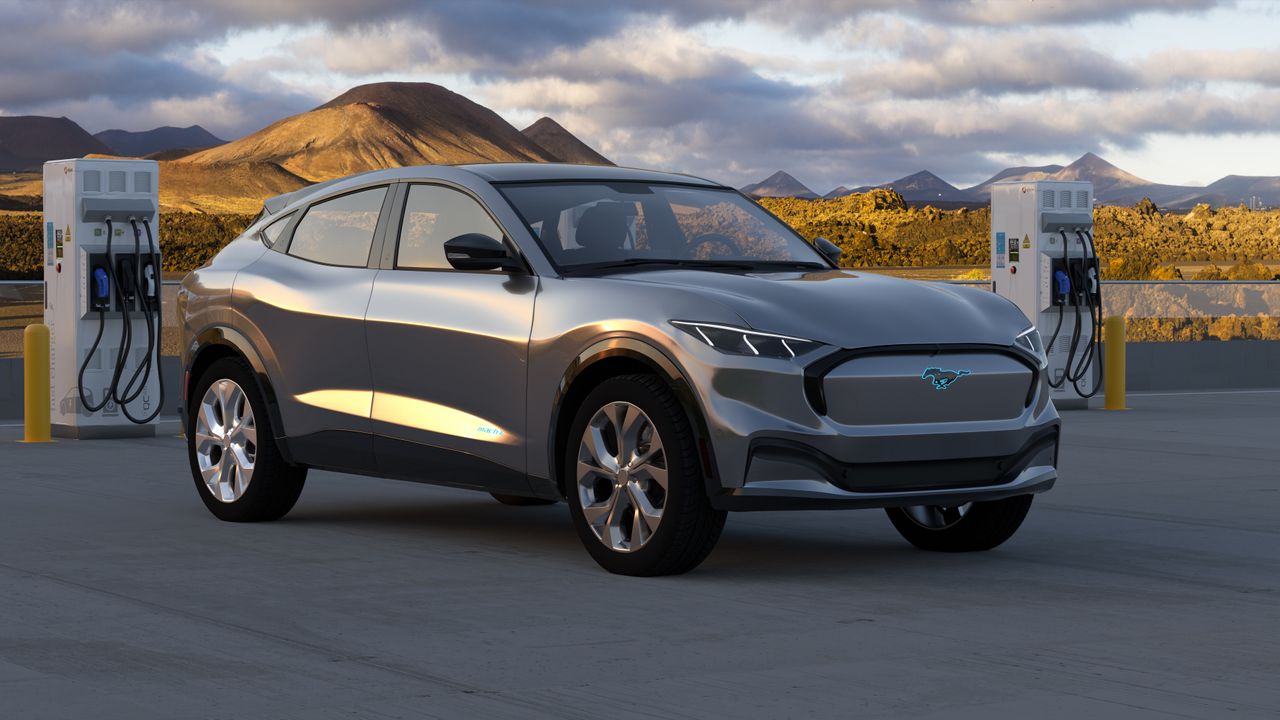
Electric Vehicle Adoption Rates and Trends
As the world becomes increasingly aware of the environmental impact of traditional gasoline-powered vehicles, electric vehicles (EVs) have emerged as a promising alternative. In recent years, the adoption rates of EVs have been steadily increasing, driven by various factors such as EV market competition, charging infrastructure expansion, and charging network growth.
EV Market Competition
The EV market has witnessed a surge in competition among automakers, leading to a wider range of electric vehicle options for consumers. Companies like Tesla, Nissan, Chevrolet, and BMW have been at the forefront of this competition, introducing innovative and affordable electric models that cater to different consumer preferences and budgets.
This increased competition has not only led to improved technology and performance but has also resulted in a reduction in the overall cost of EVs. As economies of scale are achieved, the prices of electric vehicles are becoming more competitive with their gasoline counterparts, making them a viable option for a larger segment of the population.
Charging Infrastructure Expansion
One of the key challenges in the widespread adoption of electric vehicles has been the availability of charging infrastructure. However, significant progress has been made in recent years to address this issue. Governments, private companies, and utility providers have been investing heavily in the expansion of charging infrastructure, making it more convenient for EV owners to charge their vehicles.
Public charging stations are now more prevalent in cities, highways, and parking lots, allowing EV owners to charge their vehicles while they go about their daily activities. Additionally, workplaces and residential buildings are increasingly installing charging stations, providing convenient charging options for those who do not have access to a private garage or driveway.
Charging Network Growth
Alongside the expansion of charging infrastructure, the charging network itself has also experienced significant growth. Charging networks, such as Tesla’s Supercharger network and third-party networks like ChargePoint and EVgo, have been expanding their coverage and capacity to meet the growing demand for electric vehicle charging.
These charging networks offer fast-charging options, reducing the time required to charge an electric vehicle significantly. This development is crucial in addressing the range anxiety often associated with EVs, as it allows drivers to travel longer distances without worrying about running out of charge.
Furthermore, the integration of charging networks with mobile applications and navigation systems has made it easier for EV owners to locate and access charging stations. Real-time information on the availability of charging stations and compatibility with different EV models has further improved the overall charging experience.
Conclusion
The adoption rates of electric vehicles continue to rise, driven by factors such as EV market competition, charging infrastructure expansion, and charging network growth. The increased competition among automakers has led to a wider range of electric vehicle options and reduced prices. The expansion of charging infrastructure and the growth of charging networks have made it more convenient for EV owners to charge their vehicles and address range anxiety concerns.