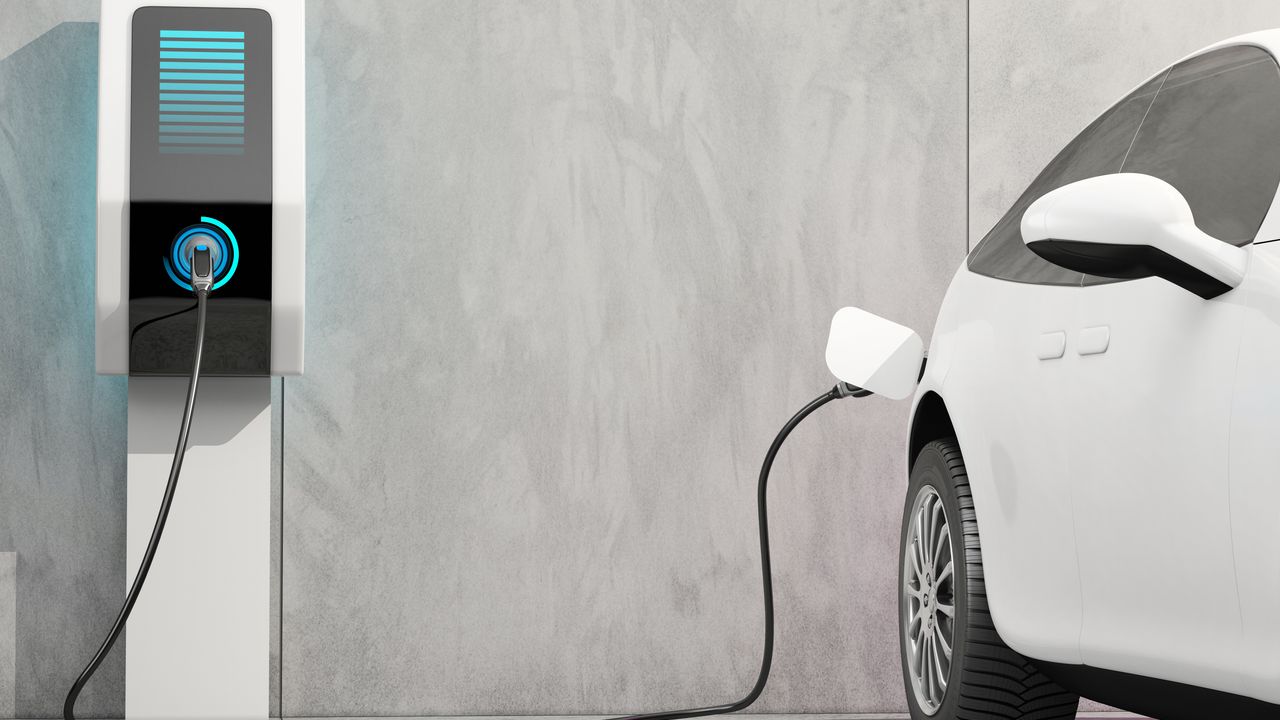
EV Charging Station Management: Optimizing Efficiency and Convenience
As electric vehicles (EVs) continue to gain popularity, the need for efficient and reliable charging infrastructure becomes increasingly important. EV charging station management plays a crucial role in ensuring a seamless charging experience for EV owners. With the advancement of technology, charging station reporting, charging station remote control, and charging station load management have emerged as key tools in optimizing the operation and maintenance of EV charging stations.
Charging Station Reporting
Charging station reporting involves the collection and analysis of data from EV charging stations. This data provides valuable insights into the usage patterns, performance, and maintenance needs of the charging infrastructure. By monitoring various parameters such as charging duration, energy consumption, and charging station availability, operators can identify trends and make informed decisions to improve the overall charging experience.
Real-time reporting allows operators to quickly identify any issues or malfunctions in the charging stations. For example, if a particular station consistently experiences high charging times, it may indicate a problem with the equipment or connectivity. Timely reporting enables prompt maintenance and minimizes downtime, ensuring that EV owners have access to reliable charging facilities.
Charging Station Remote Control
Charging station remote control enables operators to manage and control the charging infrastructure from a centralized location. Through a user-friendly interface, operators can monitor the status of individual charging stations, start or stop charging sessions, and adjust charging parameters as needed. This remote control functionality significantly simplifies the management process and enhances operational efficiency.
Remote control also allows operators to respond quickly to changing demand patterns. For instance, during periods of high demand, operators can remotely adjust the charging rates or prioritize charging for specific users, ensuring a fair and efficient allocation of resources. Additionally, remote control capabilities enable operators to remotely diagnose and troubleshoot issues, reducing the need for physical intervention and minimizing maintenance costs.
Charging Station Load Management
Charging station load management is a vital aspect of EV charging station management, especially in scenarios where multiple EVs are charging simultaneously. Load management involves distributing the available power capacity among the charging stations in a way that optimizes the overall charging process and prevents grid overloads.
Through load management algorithms, operators can dynamically allocate power based on factors such as charging station utilization, charging session duration, and grid constraints. By intelligently balancing the load, operators can prevent power outages, minimize peak demand charges, and ensure a reliable and efficient charging experience for all EV owners.
Load management systems also enable operators to implement smart charging strategies. For example, operators can prioritize charging for EVs with lower battery levels or schedule charging during off-peak hours when electricity rates are lower. These strategies not only optimize the use of available resources but also contribute to grid stability and cost savings for both operators and EV owners.
Conclusion
EV charging station management is a critical component of the growing electric vehicle infrastructure. Charging station reporting, charging station remote control, and charging station load management are powerful tools that enable operators to optimize the efficiency, reliability, and convenience of EV charging. By harnessing the capabilities of these management systems, operators can ensure a seamless charging experience for EV owners and contribute to the widespread adoption of electric vehicles.