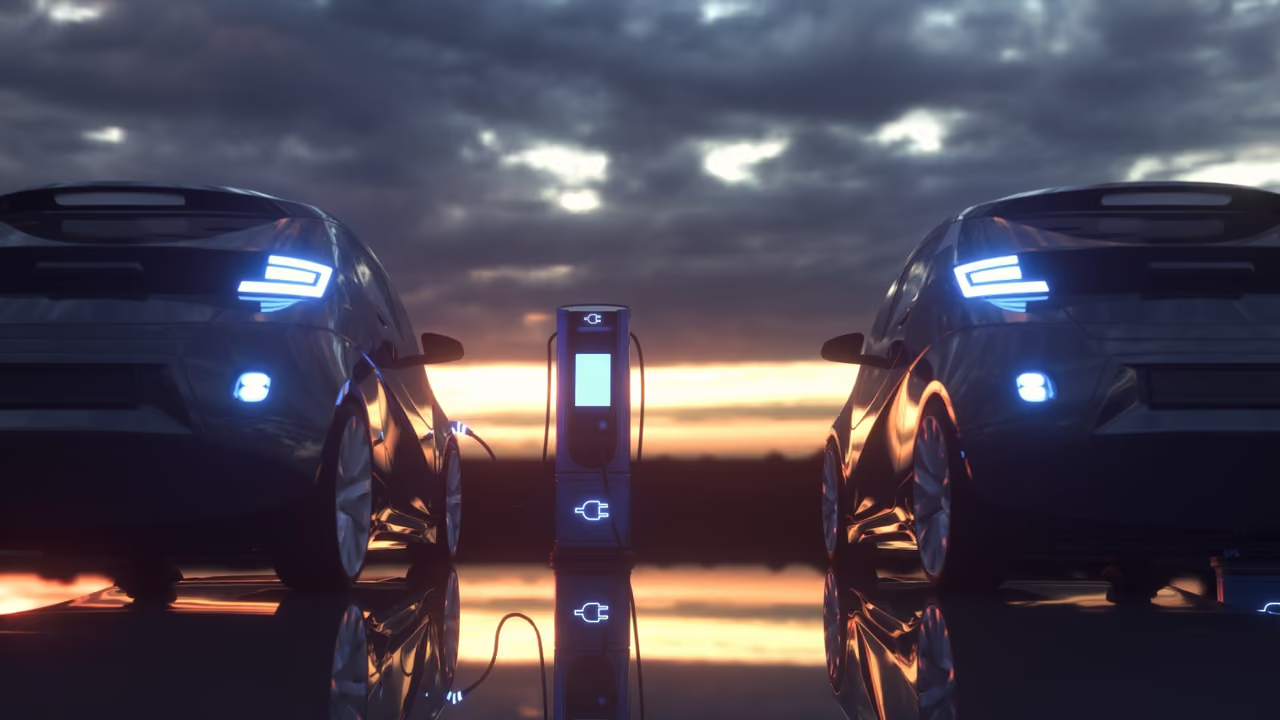
Look closely at the latest electric cars, and you’ll notice something beyond their silent engines and sleek badges. These vehicles are not just about swapping gasoline for batteries; they are rewriting the rules of automotive design from the ground up. Electric powertrains have freed designers and engineers from many of the constraints that defined internal combustion engine (ICE) vehicles for over a century. The result is a fresh approach that touches everything from the interior layout to safety systems and personalized experiences.
Reimagining Interior Space and Comfort
With no bulky engine or transmission tunnel to accommodate, electric vehicles (EVs) open up the cabin in ways ICE cars simply cannot. The absence of a traditional drivetrain means the floor can be flat, creating more legroom and flexible seating arrangements. This change alone reshapes how designers think about interior space.
Take the Volkswagen ID. Buzz, for instance. Its spacious cabin feels more like a lounge than a car, with seats that swivel and ample room to stretch. Meanwhile, luxury EVs like the Lucid Air leverage the lack of a transmission tunnel to provide a wider center console and more storage options, enhancing comfort and utility.
Beyond just space, electric cars also tend to focus on quietness and minimal vibration, which radically changes the acoustic environment inside the car. Designers exploit this calm to create serene atmospheres with customizable ambient lighting, advanced sound systems, and materials chosen for tactile comfort rather than just durability.
Innovations in Vehicle Architecture
The traditional car architecture is undergoing a transformation thanks to the flexibility of electric drivetrains. Battery packs are usually integrated into the floor, lowering the vehicle’s center of gravity and improving handling. This shift allows for new shapes and proportions that were impractical before.
EVs often feature shorter front and rear overhangs, thanks to the compact nature of electric motors compared to ICEs. This translates into more cabin space within a smaller footprint, making city driving and parking easier without sacrificing passenger comfort.
Manufacturers are experimenting with “skateboard” chassis designs, where the battery and powertrain components form a flat platform on which various body styles can be built. This modular approach reduces development costs and accelerates time to market, while also allowing for creative freedom in exterior design.
One striking example is the Canoo Lifestyle Vehicle, which uses a skateboard platform to create a boxy, spacious interior that doesn’t look like a traditional car. It challenges preconceived notions of what a car should look like and how it should function.
Impact on Safety Features and Standards
Electric cars are pushing the boundaries of safety in ways that go beyond crash test scores. The battery placement and the absence of a large engine block change crash dynamics, allowing engineers to design crumple zones more effectively. The rigid battery pack itself acts as a structural element, adding to the vehicle’s overall strength.
Moreover, EVs are often equipped with advanced driver-assistance systems (ADAS) as standard or optional features. The electrical architecture of EVs supports sophisticated sensor arrays, including lidar, radar, and cameras, which provide a comprehensive understanding of the vehicle’s surroundings.
Manufacturers are integrating these sensors not just for collision avoidance but also for proactive safety measures. For example, some systems can pre-charge brakes if an imminent collision is detected or adjust suspension settings in real time to improve stability.
Additionally, the quietness of EVs has raised concerns about pedestrian safety, leading to new regulations requiring artificial sounds at low speeds. This has spurred innovation in customizable sound design that alerts pedestrians while maintaining a pleasant urban soundscape.
The Future of Customization and User Experience
Electric vehicles are becoming platforms for personalized experiences, thanks largely to their sophisticated electronics and connectivity. With over-the-air updates, automakers can continually improve software, adding new features and refining user interfaces long after the car leaves the showroom.
Touchscreens and voice controls are standard, but the trend is moving towards more immersive and intuitive interactions. Augmented reality dashboards, gesture controls, and AI-driven personal assistants are emerging to make driving—or riding—more engaging and less distracting.
Customization goes beyond software. The modular nature of EV platforms allows for varied interior configurations and materials tailored to individual tastes or lifestyles. Subscription models and feature unlocks may let owners personalize performance characteristics, interior ambiance, or even exterior lighting patterns dynamically.
Furthermore, as autonomous driving technologies mature, the very concept of vehicle interiors is set to evolve. With less need for constant driver attention, seats might swivel, tables might fold out, and entertainment systems could become the centerpiece, turning the car into a mobile living or working space.