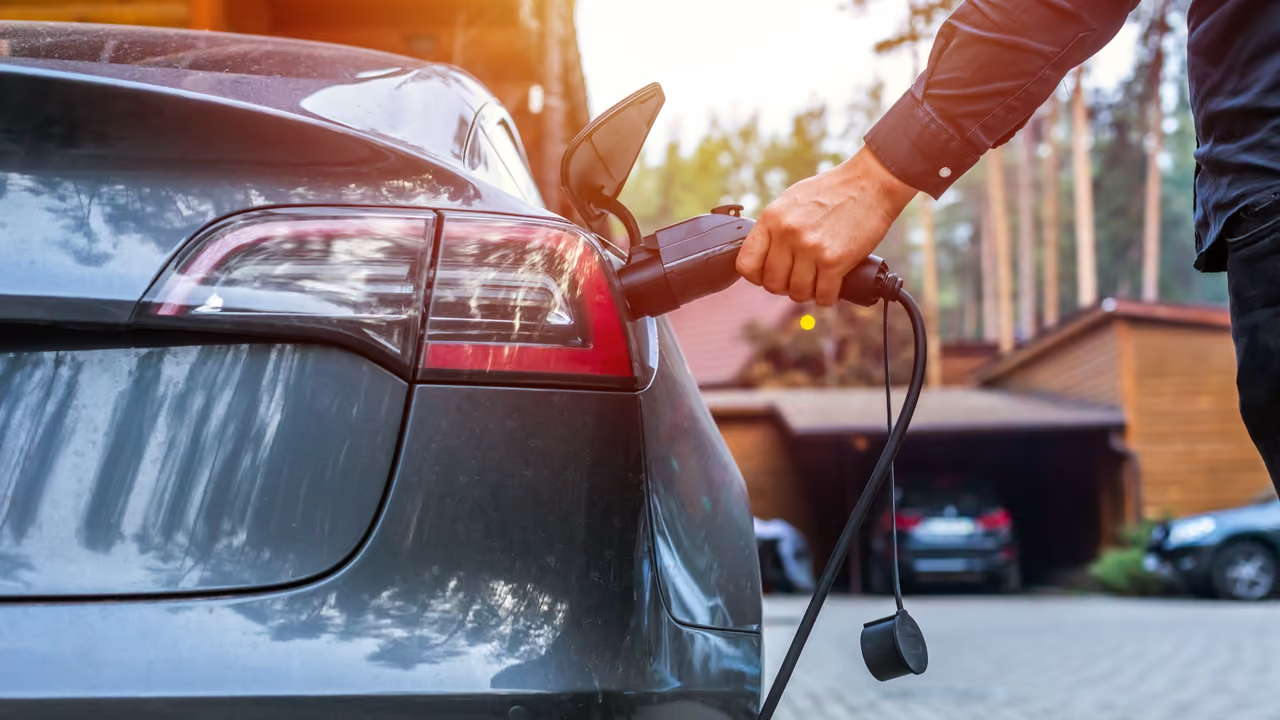
Electric cars are no longer a niche curiosity but a growing presence on roads worldwide. This surge in electric vehicle (EV) adoption is reshaping not just transportation but also the very fabric of how we generate, distribute, and consume electricity. As EVs become mainstream, their energy demands are starting to ripple through power grids, challenging operators and opening new doors for renewable energy integration.
The rise of electric cars and their energy demands
Over the past decade, electric cars have transitioned from limited-range experiments to practical, desirable vehicles. Advances in battery technology, government incentives, and rising fuel prices have fueled this growth. Today, millions of EVs are on the road, with projections suggesting tens of millions more in the next decade.
Each electric car requires substantial electricity to recharge. A typical EV battery pack might range from 40 to 100 kilowatt-hours (kWh), and with average daily driving distances, many owners plug in their cars nightly. Multiply that by millions of vehicles, and the demand on national grids is significant and growing.
Impact on electricity grids and peak load management
The sudden surge in electricity consumption from EV charging isn’t evenly distributed. Most drivers plug in after work, often during early evening hours — the same time when residential power use spikes due to lighting, cooking, and heating or cooling. This coincidence can strain local transformers and increase peak demand on the grid.
Grid operators face the task of managing these peaks without overbuilding infrastructure, which would be costly and inefficient. Unmanaged EV charging risks pushing grids beyond their limits, leading to blackouts or the need for expensive peaking power plants, often running on fossil fuels.
To tackle these challenges, utilities are exploring demand response programs, time-of-use pricing, and smart charging systems that encourage EV owners to charge during off-peak hours. Such measures can flatten demand curves, making the grid more resilient and cost-effective.
Opportunities for renewable energy integration with EV charging
Electric cars don’t just add stress to power grids; they also offer a unique opportunity to enhance the use of renewable energy. Solar and wind power are inherently variable, generating electricity when the sun shines or the wind blows, which doesn’t always align with peak consumption times.
EVs, with their flexible charging schedules and battery storage, can help absorb excess renewable energy that would otherwise go unused. For example, midday solar surpluses can be directed to charge EVs, effectively turning cars into mobile energy storage units. This synergy helps reduce curtailment of renewables and maximizes clean energy utilization.
Some charging networks are already integrating solar canopies or pairing EV chargers with on-site renewable generation, creating localized clean energy ecosystems. This approach not only reduces carbon footprints but also alleviates grid congestion in densely populated areas.
Future outlook smart grids and vehicle-to-grid technologies
The future of EV-grid interaction lies in smart grids and vehicle-to-grid (V2G) technologies. Smart grids use advanced communication and control systems to dynamically balance supply and demand. EVs become active participants rather than passive consumers in this system.
V2G technology allows electric cars to feed electricity back to the grid during peak demand periods or emergencies. Imagine millions of parked EVs serving as a distributed battery network, providing grid stability and emergency power reserves. This concept could revolutionize energy management and reduce reliance on traditional power plants.
However, V2G deployment faces technical, economic, and regulatory hurdles. Battery degradation concerns, compensation models for vehicle owners, and grid communication standards all need resolution. Yet pilot programs worldwide demonstrate promising results, indicating that V2G could become a mainstream tool.
In tandem, smart charging algorithms will optimize when and how EVs draw power, taking into account grid conditions, electricity prices, and renewable availability. Combined with home energy management systems and community microgrids, this creates a flexible, responsive energy ecosystem centered around EVs.
- EV growth demands new grid management strategies
- Smart charging can reduce peak loads
- Renewables and EVs form a symbiotic relationship
- Vehicle-to-grid tech could transform energy storage and distribution