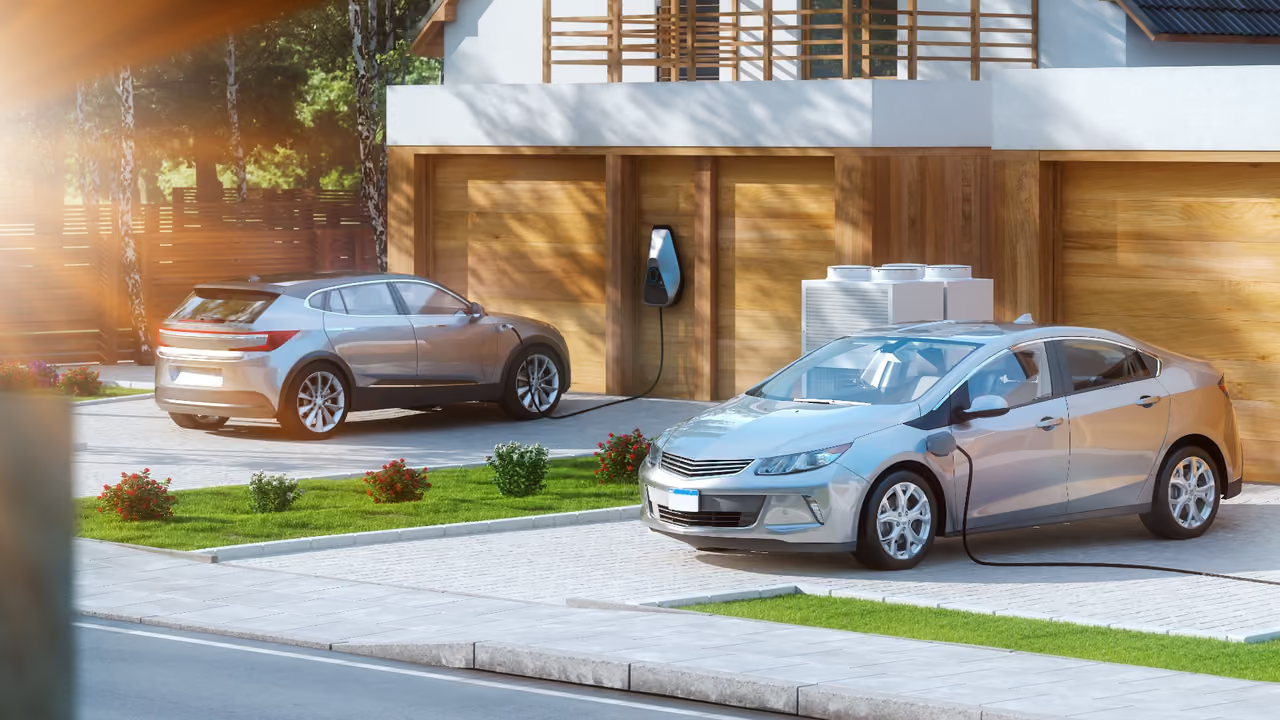
Imagine walking through a city where the harsh rumble of engines has faded into a gentle hum, where sidewalks and streets have been redesigned not just for cars, but for a new kind of urban rhythm. Electric vehicles (EVs) are no longer just a niche alternative; they are catalysts for rethinking the very fabric of city life. Beyond the obvious changes in fueling and parking, electric cars are transforming urban infrastructure in ways that ripple through public spaces, air quality, and energy systems.
Reimagining City Streets for Electric Mobility
Electric cars have prompted planners to rethink how streets are designed and used. Traditional urban roads were built around the needs of gasoline-powered vehicles: wide lanes for fast traffic, ample parking lots, and service stations. EVs, especially when paired with shared mobility and autonomous technologies, encourage a shift toward multi-functional, flexible streets.
For example, some cities are introducing curbside spaces dedicated to EV pick-ups and drop-offs, allowing for smoother flow in busy areas. This change reduces the need for large parking garages scattered around downtowns and encourages the integration of green spaces and pedestrian zones. Streets are becoming places where charging infrastructure, bike lanes, and walking paths coexist, reflecting a more holistic approach to urban mobility.
Shared and Autonomous EVs Shaping Urban Design
- Reduced parking demand: As shared electric fleets gain popularity, the need for private parking shrinks. Cities can reclaim asphalt for parks, plazas, or bike lanes.
- Dynamic curb management: Smart sensors and real-time data help allocate street space for charging, deliveries, or passenger pickup, adapting to daily demand cycles.
- Integration with public transit: EVs act as first-mile/last-mile solutions, seamlessly connecting people to buses and trains via dedicated lanes and charging stops.
Integrating EV Charging into Public Spaces
Charging infrastructure is no longer limited to private garages or isolated stations. Urban planners and utility companies are embedding EV chargers into everyday environments. Streetlights, parking meters, and even benches are being outfitted with charging capabilities, turning the city into a living power grid.
Some innovative projects are transforming curbsides into “smart charging zones,” where cars can tap into the grid while parked briefly. This approach minimizes visual clutter and leverages existing infrastructure, avoiding the need for large charging hubs that take up valuable space.
Public spaces like shopping centers, parks, and transit hubs are becoming multi-use charging sites. These spaces encourage EV adoption by providing convenient, reliable access to power where people naturally gather, making charging a seamless part of daily routines rather than a separate chore.
Charging as Part of Urban Design
- Discreet integration: Chargers hidden in street furniture or underground reduce visual disruption and protect equipment from vandalism.
- Renewable energy synergy: Solar panels on parking canopies or building rooftops supply clean power directly to chargers, creating localized green energy hubs.
- Fast and wireless options: Wireless inductive charging pads embedded in roads or parking spots eliminate cables and speed up the process, promoting ease of use.
Impact on Urban Air Quality and Noise Pollution
The shift to electric vehicles is breathing new life into city environments. Without tailpipe emissions, EVs dramatically cut down on urban air pollution, reducing smog and harmful particulate matter that have long plagued densely populated areas.
This improvement is not just a health benefit; it changes how cities feel and function. Cleaner air means more outdoor activities, longer life expectancy, and less strain on healthcare systems. Parks and open spaces become more inviting, and urban biodiversity has a better chance to thrive without toxic pollutants.
Noise pollution also takes a nosedive. Electric motors are inherently quieter than combustion engines. Nighttime noise levels drop, making cities more livable and less stressful. This reduction in sound can improve sleep quality for residents and make public spaces more conducive to conversation and community events.
The Ripple Effects of Cleaner, Quieter Streets
- Health benefits: Lower rates of respiratory and cardiovascular diseases linked to pollution.
- Enhanced quality of life: More pleasant urban soundscapes encourage walking, cycling, and outdoor socializing.
- Economic uplift: Cleaner, quieter areas attract businesses and tourism, revitalizing neighborhoods.
Smart Grid and Energy Management Implications
Electric vehicles are not just consumers of electricity; they are becoming integral components of smart energy systems. Cities are exploring Vehicle-to-Grid (V2G) technologies, where EVs can feed electricity back into the grid during peak demand, acting as mobile energy storage units.
This bidirectional flow of energy helps balance loads, integrate renewable energy sources like wind and solar, and reduce reliance on fossil-fuel power plants. For urban infrastructure, this means energy grids need to become more flexible, intelligent, and responsive.
Charging stations are evolving into nodes in a smart network that communicates with vehicles, buildings, and utilities. Demand response programs encourage charging during off-peak hours, lowering costs and preventing grid overload. In some cases, EV fleets serve as emergency power sources during outages, enhancing city resilience.
Challenges and Opportunities in Urban Energy Integration
- Infrastructure upgrades: Aging electrical grids require modernization to handle increased loads and two-way energy flows.
- Data management: Real-time monitoring and AI algorithms optimize charging schedules and energy distribution.
- Policy frameworks: Coordinated regulations and incentives are needed to encourage V2G adoption and investment in smart infrastructure.