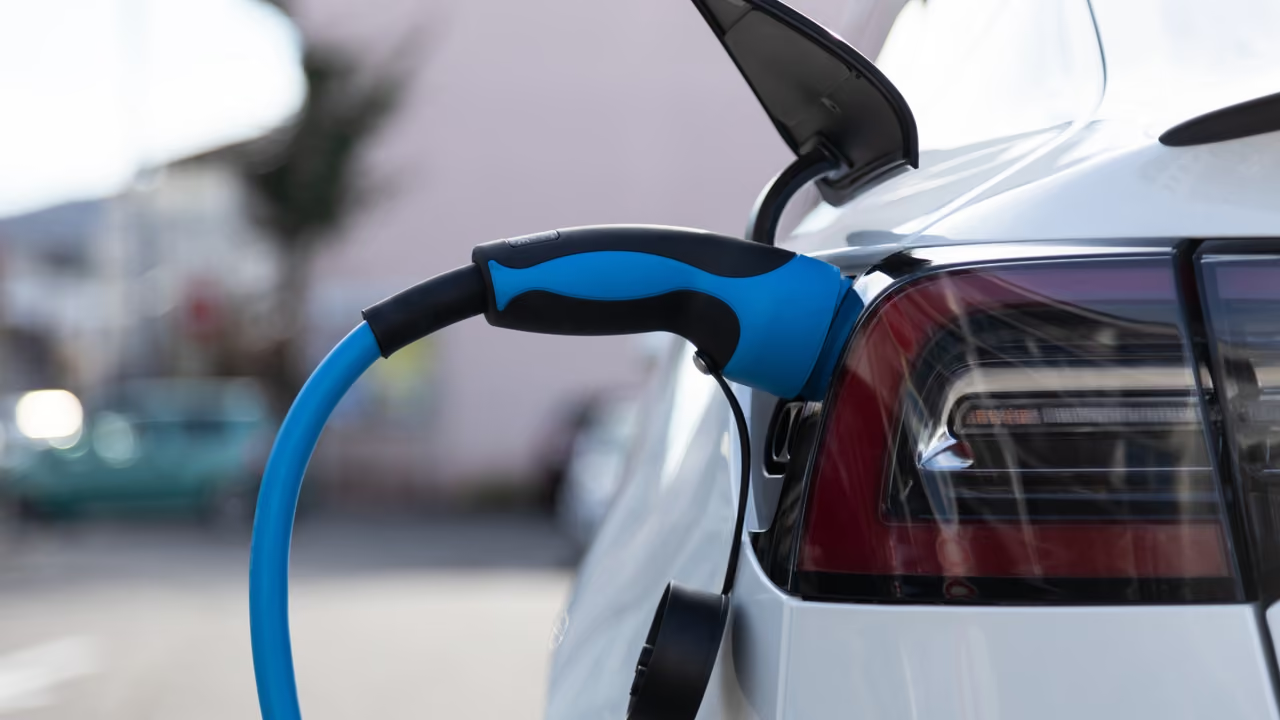
What happens to our energy grid when electric cars become the norm rather than the exception? As more drivers switch from gasoline to electric, the quiet hum of charging stations is slowly replacing the rumble of gas pumps. But this shift isn’t just about cleaner air or quieter streets — it’s about the invisible network that powers our homes and cars alike, and how it must evolve to keep up with the new demands.
Understanding the relationship between electric cars and the energy grid
Electric vehicles (EVs) pull electricity from the grid to recharge their batteries. Unlike gas stations that operate independently of the power grid, EVs rely heavily on the existing electrical infrastructure. This means the more electric cars on the road, the greater the electricity consumption overall.
At first glance, this might seem straightforward — more cars, more electricity used. But the reality is more complex. The grid isn’t a static system; it’s a carefully balanced network that matches supply and demand in real-time. When a significant number of EVs charge simultaneously, especially during peak hours, it can create spikes in electricity demand that stress the system.
Challenges posed by increased EV charging demands
The biggest concern is the timing and scale of charging sessions. Most EV owners plug in their vehicles when they get home, often during the early evening. This coincides with the peak residential electricity demand period, driven by cooking, heating, cooling, and lighting. Add dozens or hundreds of EVs charging in a neighborhood, and the local grid may struggle to handle the load.
On a broader scale, utilities face the challenge of ensuring that generation capacity and transmission infrastructure can accommodate these new loads. In some cases, transformers and distribution lines may need upgrades to handle increased current. Without these improvements, the risk of outages, voltage drops, or equipment failures rises.
Moreover, the environmental benefits of EVs depend on the source of the electricity. If the grid relies heavily on fossil fuels, increased demand could lead to higher emissions unless cleaner energy sources scale up accordingly.
Innovations in grid management and smart charging technologies
Thankfully, the energy sector isn’t standing still. Utilities and technology companies are developing smarter ways to manage the growing influx of EV charging.
- Smart charging: This approach uses software and communication technologies to control when and how EVs charge. Instead of starting immediately at plug-in, smart chargers can delay or moderate charging based on grid demand, electricity prices, or renewable energy availability. This flexibility helps flatten demand peaks and makes better use of existing infrastructure.
- Vehicle-to-grid (V2G) technology: V2G allows EVs to not only draw power from the grid but also feed electricity back during peak demand periods. This creates a distributed network of mobile energy storage units that can stabilize the grid and provide backup power when needed.
- Time-of-use pricing: By charging different rates depending on the time of day, utilities encourage EV owners to charge when electricity is abundant and cheap, such as during midday solar peaks or overnight. This economic incentive nudges charging behavior to times less stressful for the grid.
- Renewable integration: Smart charging can also sync with renewable energy production. For example, EVs might be programmed to charge when wind or solar output is high, helping absorb excess generation and reduce curtailment.
Planning infrastructure for a sustainable electric vehicle future
Meeting the demands of a growing EV fleet requires careful infrastructure planning beyond just adding chargers. Distribution networks will need targeted upgrades, especially in residential areas with high EV adoption.
Investments in grid modernization — including advanced sensors, automated controls, and enhanced forecasting — will improve the grid’s ability to respond dynamically to fluctuating loads. Collaboration between utilities, automakers, policymakers, and consumers is crucial to create a cohesive ecosystem.
Public charging infrastructure must also expand strategically. Fast chargers placed along highways support long-distance travel but draw large amounts of power quickly, posing different challenges than residential chargers. Balancing these needs while minimizing grid stress demands comprehensive planning.
Finally, equity considerations cannot be overlooked. Access to reliable charging and a stable grid must be available across all communities to ensure the benefits of electrification reach everyone, not just those in affluent areas.